16 November 2026
What a throughput guarantee clause is, and why it dictates crane capacity
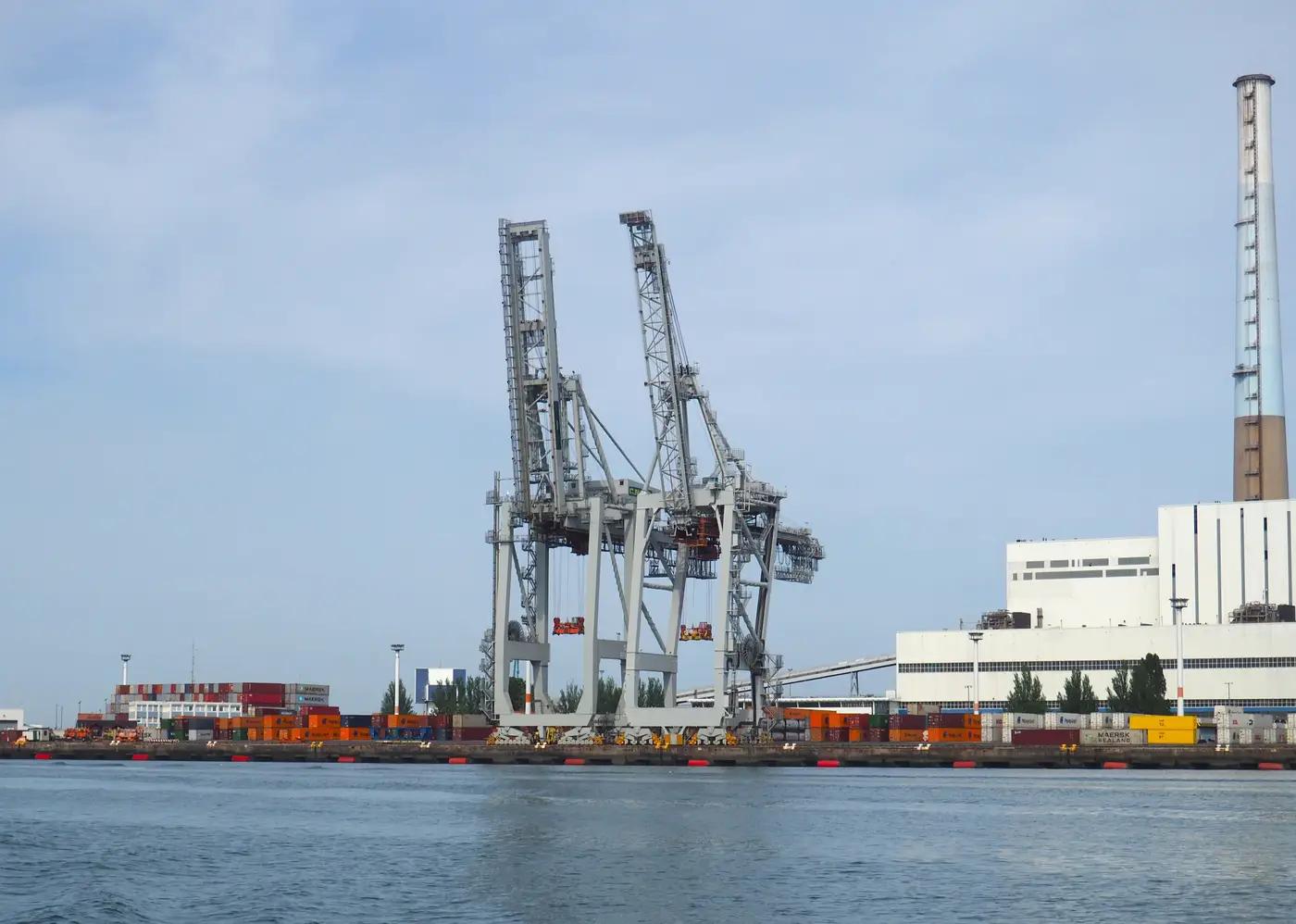
Most port equipment sales teams meet the throughput guarantee clause secondhand, as the reason a terminal operator suddenly needs four more ship-to-shore cranes by a date that was fixed years earlier. By the time that need shows up as an RFP, the operator's capital committee already made the call. The clause made it for them.
What the clause actually commits the operator to
A throughput guarantee clause sits inside the concession agreement between the landlord port authority and the terminal operator. It sets a minimum annual tonnage or TEU figure the operator must move across the quay, year by year, for the life of the concession. Miss the number and the agreement usually has teeth: step-up penalties, rent clawbacks, or in the worst case grounds for the authority to terminate the concession and re-tender the terminal to someone else.
The commitment climbs over time. Concessions ramp the minimum figure upward on a fixed schedule tied to the berth length and yard area the operator was granted. One ramp schedule reads 400,000 TEU by year three, 700,000 by year six. The operator signed up for that ramp to win the concession in the first place, and the ramp doesn't care whether the current fleet of cranes and straddle carriers can physically handle it.
Why this becomes a capex trigger, not just a target
Volume has a hard ceiling set by quay crane productivity and yard turnaround, and that's the mechanical fact that matters to anyone selling cranes. Run the math on berth occupancy and crane moves per hour, and there's a point on the ramp where the installed base of gear can't clear the contracted tonnage no matter how the terminal schedules vessels. That point is the capex trigger, written into the concession agreement itself. Past it, the operator either orders more cranes and straddle carriers ahead of that year, or they're in breach.
This is why terminal operators start the civil works long before anyone announces a crane order. Berth extension, new quay apron, additional yard paving: these are the physical preconditions for adding crane rail and stacking capacity. A terminal that's going to need six new STS cranes in three years has to pour the quay foundation and pave the yard behind it well before the crane order goes out, because the equipment has nowhere to sit otherwise. The capex trigger shows up on the ground as concrete and dredging long before it shows up as a tender.
The gap between the concession clause and your pipeline
An OEM sales director watching for RFPs is watching the last step in a sequence that started with a signed concession agreement, ran through a throughput ramp, and only then produced a procurement document. The terminal operator capacity obligation was fixed when the concession was negotiated. The berth works are the visible, dated evidence that the operator is moving to meet it.
That's the gap worth closing: watching the berth itself rather than guessing at throughput ramps from public concession filings, which rarely get updated or explained. A quarterly pass over a terminal's quay and yard shows when paving starts, when a berth gets extended, when new rail goes down ahead of a crane order nobody has announced yet. Terminal Expansion Watch turns that pattern into a dated alert with a rough window for when the resulting crane and straddle-carrier demand is likely to land, so a proposal can be on the table before the RFP drops rather than after.
If a concession's throughput ramp is going to force someone's hand on capacity, the quay apron usually says so before the procurement department does. Get a read on which terminals are already moving.