2 November 2026
How many years of service life does a ship-to-shore crane have before replacement?
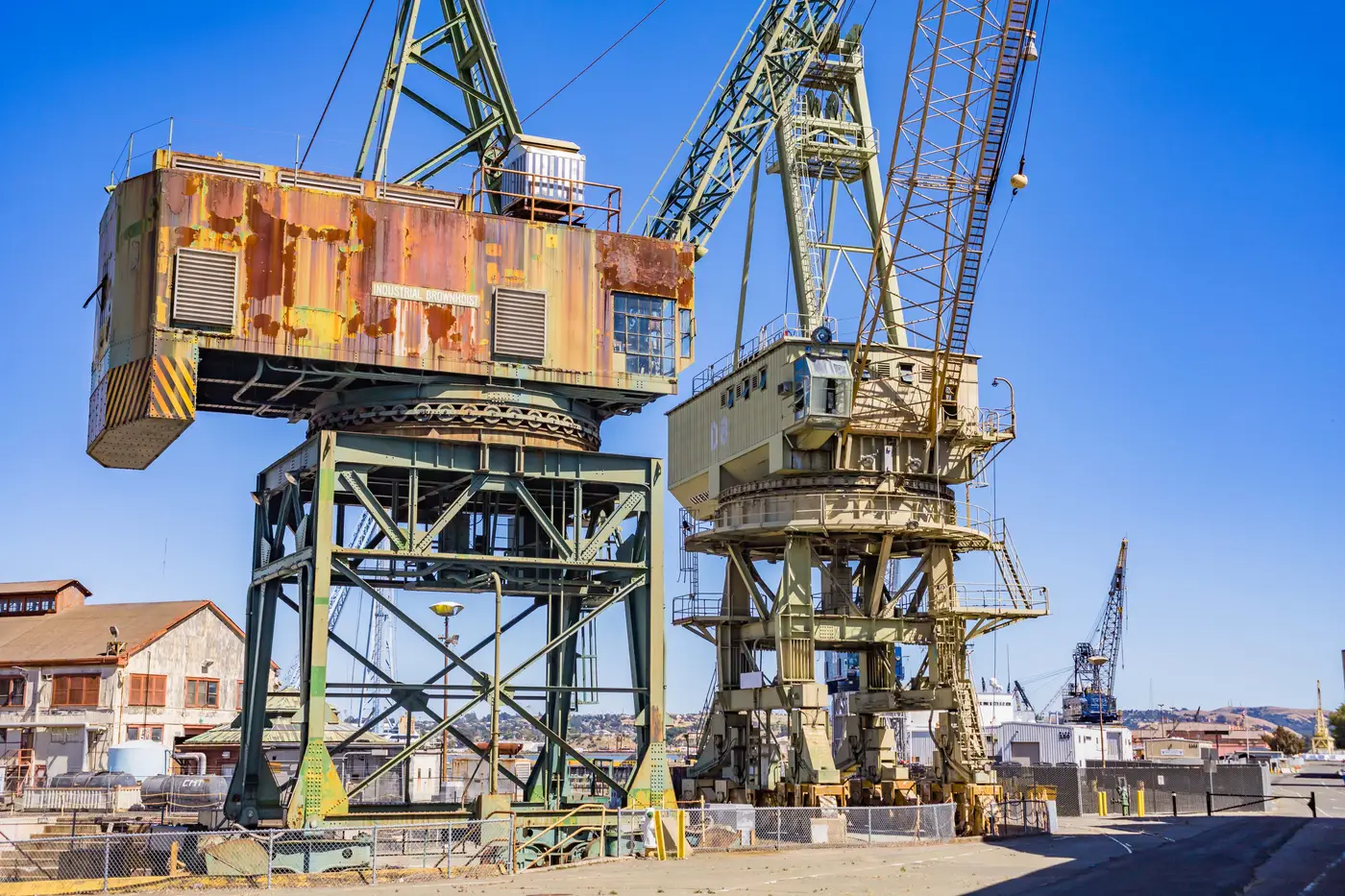
A ship-to-shore crane is built to run for 30 to 40 years structurally. The steel, the boom, the main hoist machinery, all of that can be engineered and maintained to outlast most of the terminal's commercial life. Ask a terminal ops manager when they plan to swap one out, though, and the number that comes back is usually 20 to 25 years, sometimes less if the berth has started handling a bigger class of vessel.
That gap between structural life and replacement age is where the tender gets decided. It's worth understanding if you're trying to call demand a year or more out, before the RFP is the thing that tells you.
Structural life versus functional life
Design standards for STS cranes typically target a 25 to 30 year structural service life, with some manufacturers quoting up to 40 years for the steel structure under a proper maintenance regime. Wire ropes, electrical systems, drives, and control panels run on shorter cycles. A mid-life upgrade at 10 to 15 years is common.
So a crane installed in 2005 could still be lifting boxes safely in 2035 or later, and plenty are. Walk any terminal built before 2010 and you'll find cranes from that era still in daily service, especially on secondary berths or feeder terminals that haven't needed to chase outreach or lift-height.
What ends a crane's working life at a given terminal, more often than structural fatigue, is that it can't reach the vessels calling anymore. Outreach requirements have moved from 18-20 row Panamax-era cranes to 24+ row super-post-Panamax specs in roughly fifteen years. A crane with 50 metres of outreach and 35 metres of lift height above the rail can't service a 24,000 TEU vessel, no matter how sound the structure is underneath.
Why terminals replace cranes before the steel gives out
Three things push a replacement ahead of structural end-of-life, and none of them run on a fixed calendar. They happen when the berth or the yard changes.
- A dredging or quay deepening project that lets bigger ships call, which makes existing outreach and lift height obsolete the day the first larger vessel ties up.
- A berth extension that adds new crane rail creates demand for units sized to the vessels the extended berth is built to attract.
- Yard paving and container storage expansion signals a terminal is scaling throughput and will need straddle carriers or RTGs alongside new quay cranes.
Each of those shows up in the ground well before the crane tender goes out. A terminal doesn't pour new crane rail, widen a quay apron, or finish a dredging campaign and then sit on it for five years before ordering cranes. Civil works and the crane order typically land 12 to 24 months apart, with the civil works first, because it takes longer and is harder to walk back.
That's the part a straight fleet-age list misses. Counting a terminal's existing crane ages tells you roughly when a fleet is due on paper. It doesn't tell you which terminal just started pouring the concrete that means the order is coming next year, not in three, once the oldest crane finally ages out of its design life on a spreadsheet.
Reading the berth, not just the birthday
A useful rule for building a prospect list a year ahead of RFPs: treat crane age as a baseline risk flag and treat berth or yard construction as the trigger. An 18-year-old crane fleet with no civil works underway is a candidate for next year or the year after. The same age fleet at a terminal that just finished extending its quay wall and started paving new yard blocks is a candidate for next quarter.
Terminal Expansion Watch tracks that second signal directly, running a quarterly pass over berth extensions, quay works, and yard paving so a crane order shows up as construction activity long before it shows up as a tender notice.
If next year's pipeline is built off fleet-age lists alone, it's running on the slower half of the signal. Put the civil works on the same timeline and the forecast gets a lot more specific.