26 October 2026
How long does it take to deliver a ship-to-shore crane after the order is placed?
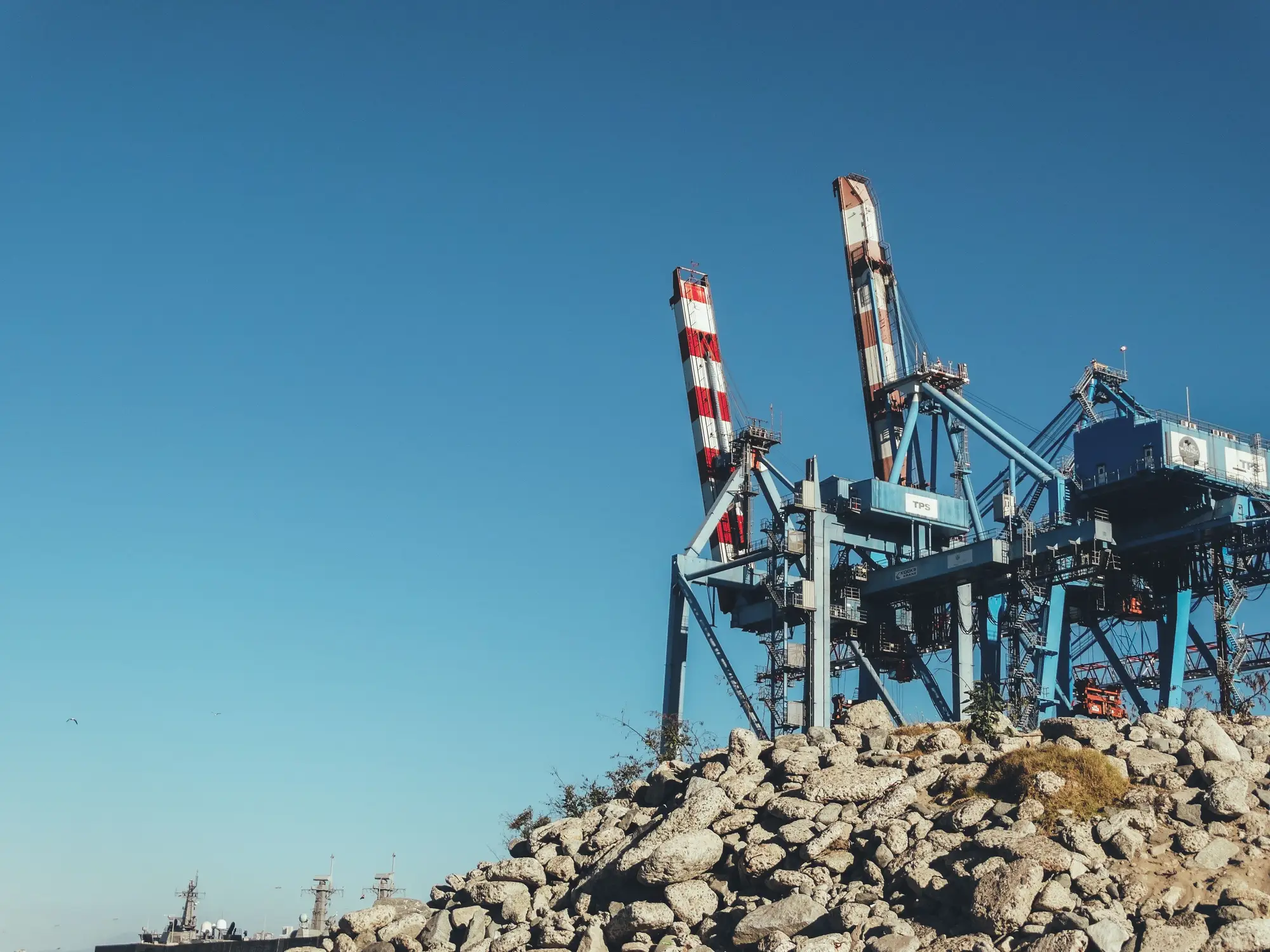
Ask anyone who's actually ordered a ship-to-shore crane, and they'll tell you the real clock starts at steel cutting, which can land months after the purchase order is signed. From contract signature to the crane rolling off the heavy-lift vessel at the berth, a standard STS crane typically runs 12 to 24 months. A heavily customized unit, extra boom outreach, higher lifting capacity, a non-standard rail gauge, can push that well past two years.
That gap matters more than it looks on a procurement spreadsheet. If a terminal issues a tender expecting cranes on the quay in time for a vessel upsizing eighteen months out, the OEM backlog alone can blow the schedule before engineering even starts.
What actually drives the schedule
A few things stack up between the purchase order and the crane showing up on the quay.
Backlog at the yard sets the floor. The major crane builders run order books measured in years, and a yard mid-cycle on a dozen units for other terminals will slot a new order behind what's already on the shop floor.
Engineering and approval come next. Boom outreach, lift height, wind loading for the specific berth, and rail gauge all get re-engineered per order, and drawings go back and forth with the terminal's own engineering team before any steel gets cut.
Fabrication is usually the longest single block. The structural steel, machine house, and electrics get built in stages, and a delay in one subassembly holds up final assembly.
Transport adds its own lead time. Finished cranes travel by heavy-lift vessel, and voyage scheduling can add weeks depending on the route and what else the vessel is calling on.
Commissioning closes it out. Rail alignment, load testing, and operator sign-off have to happen before the crane lifts a box in revenue service.
None of this compresses much under pressure from a buyer who's running late. A terminal that waits for the RFP stage to start this clock is already working against a schedule that was mostly fixed before the tender was ever written.
Why the tender is the wrong starting gun
For an OEM sales team, the tender announcement marks the finish line of someone else's planning. By the time a terminal publishes specs for a new STS crane, the berth extension or yard paving that created the need for bigger lift capacity has usually been under construction for a year or more. The capital decision got made before the paper went out.
That's the window worth watching: the quarter the quay wall gets poured, the dredging starts, or the yard gets re-paved for heavier straddle-carrier traffic. Those are the physical tells that a terminal is sizing up for equipment it doesn't have yet, long before procurement puts a number on it.
Terminal Expansion Watch tracks exactly that activity on a quarterly pass and turns it into a rough demand window per terminal, so a proposal can land on the buyer's desk before the RFP does instead of after a dozen other OEMs have already seen the same tender.
If the goal is a slot in next year's crane order, that conversation is worth having before the specs go out.