2 November 2026
Field notes: the tender we only heard about after the crane was already on the water
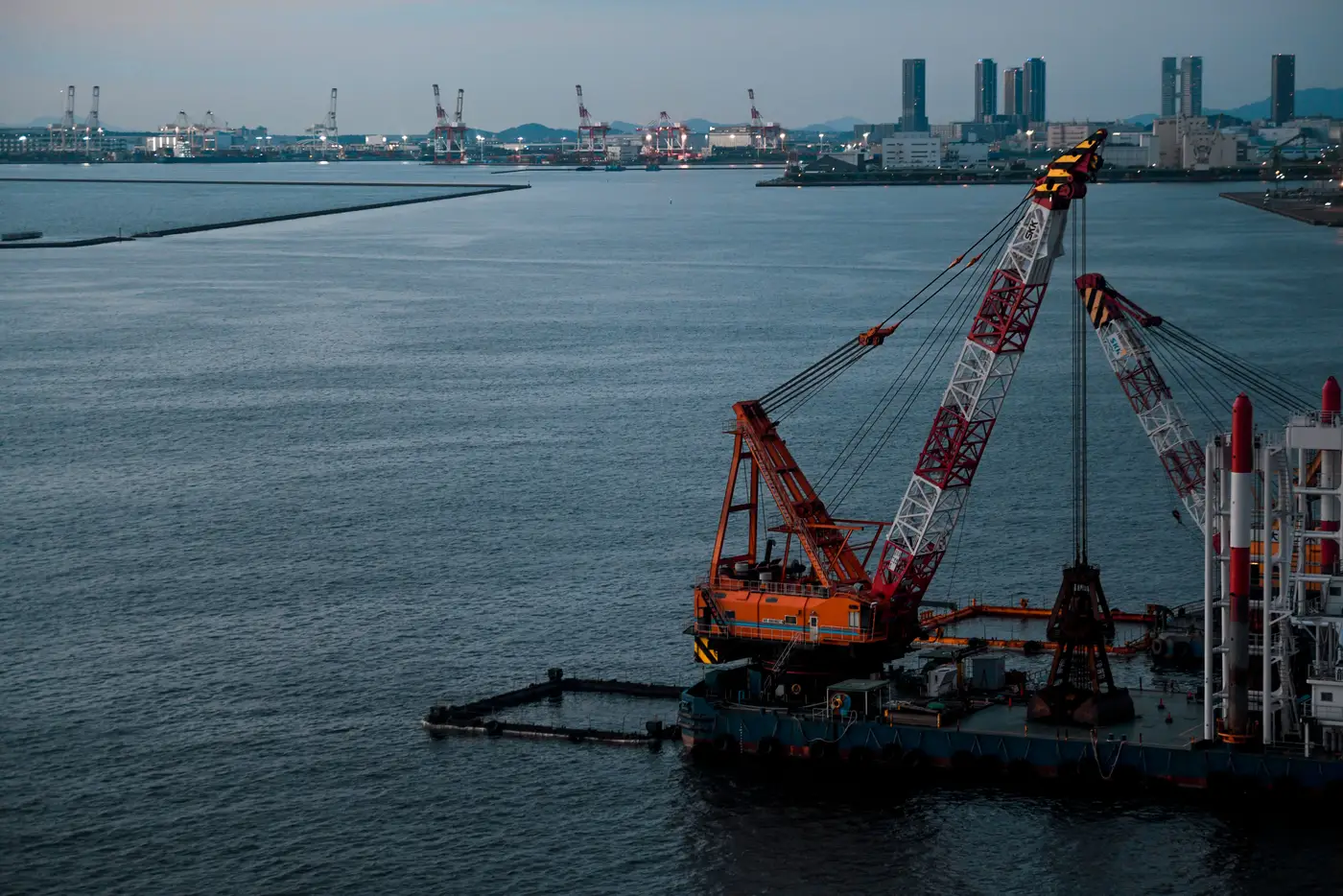
Last month a colleague forwarded a photo from a ship tracker: a heavy-lift vessel off the coast of West Africa, three ship-to-shore cranes lashed to the deck, headed for a terminal that had never once come up in our pipeline reviews. The first question in the group chat was the obvious one. Who won that?
By the time anyone traced it back, the answer didn't much matter. The tender had closed eight months earlier. The award notice had run in a trade bulletin none of us subscribe to, and by the time those cranes showed up on AIS, the fabrication slot, the shipping slot, and the install crew were all booked by somebody else.
We were never in that tender. We never knew it existed until the hardware was already at sea, which is a worse problem than losing a competitive bid. You can learn something from a loss. There's not much to learn from a tender you only hear about in the past tense.
Talk to anyone who sells into this trade long enough and they've got a version of this story. The quay wall extended eighteen months before an RFP ever went out. The yard repaved for a new generation of RTGs while the operator was still telling everyone capex was flat for the year. The berth deepening that only shows up in a dredging permit nobody in sales ever reads. The civil works are rarely hidden from view. They're just not addressed to the people who sell cranes.
Going back over the West Africa job afterward, what struck me was how early the tell had been. The berth extension that eventually took those three STS cranes had been under construction for the better part of two years before the tender existed. Quay works don't go in quietly. Fill goes down, paving gets poured, rail gets laid for the gantry runway long before anyone drafts a technical spec. Someone watching that berth on even a rough quarterly interval would have seen runway rail going in and known, with decent confidence, that a crane order was coming and roughly what size it would be.
We've stopped treating this as bad luck and started treating it as a blind spot. A terminal doesn't pour a straddle-carrier yard on a whim, and it doesn't extend a berth for a vessel class it has no intention of handling. The civil works are a forecast, written in concrete and rebar, sitting there for anyone willing to look at the right interval. The information exists. Nobody in our business is set up to watch a hundred terminals' worth of yard paving and quay extension on a schedule that lines up with how far ahead a crane order needs to be placed.
That's roughly the gap behind Terminal Expansion Watch, which turns quarterly satellite passes over berth and yard works into a dated alert with a rough demand window attached, aimed at getting a proposal on the table before the RFP exists rather than eight months after the crane clears customs.
I don't know if a watch like that would have caught the West Africa job. Maybe the lead time was too tight for any quarterly pass to catch in time. But I'd rather lose a deal we saw coming than find out about the next one from a screenshot of a ship tracker.
See the berth corner before the tender drops, not after the vessel has already sailed.