16 November 2026
Field notes: the quarter we beat the RFP by eleven months
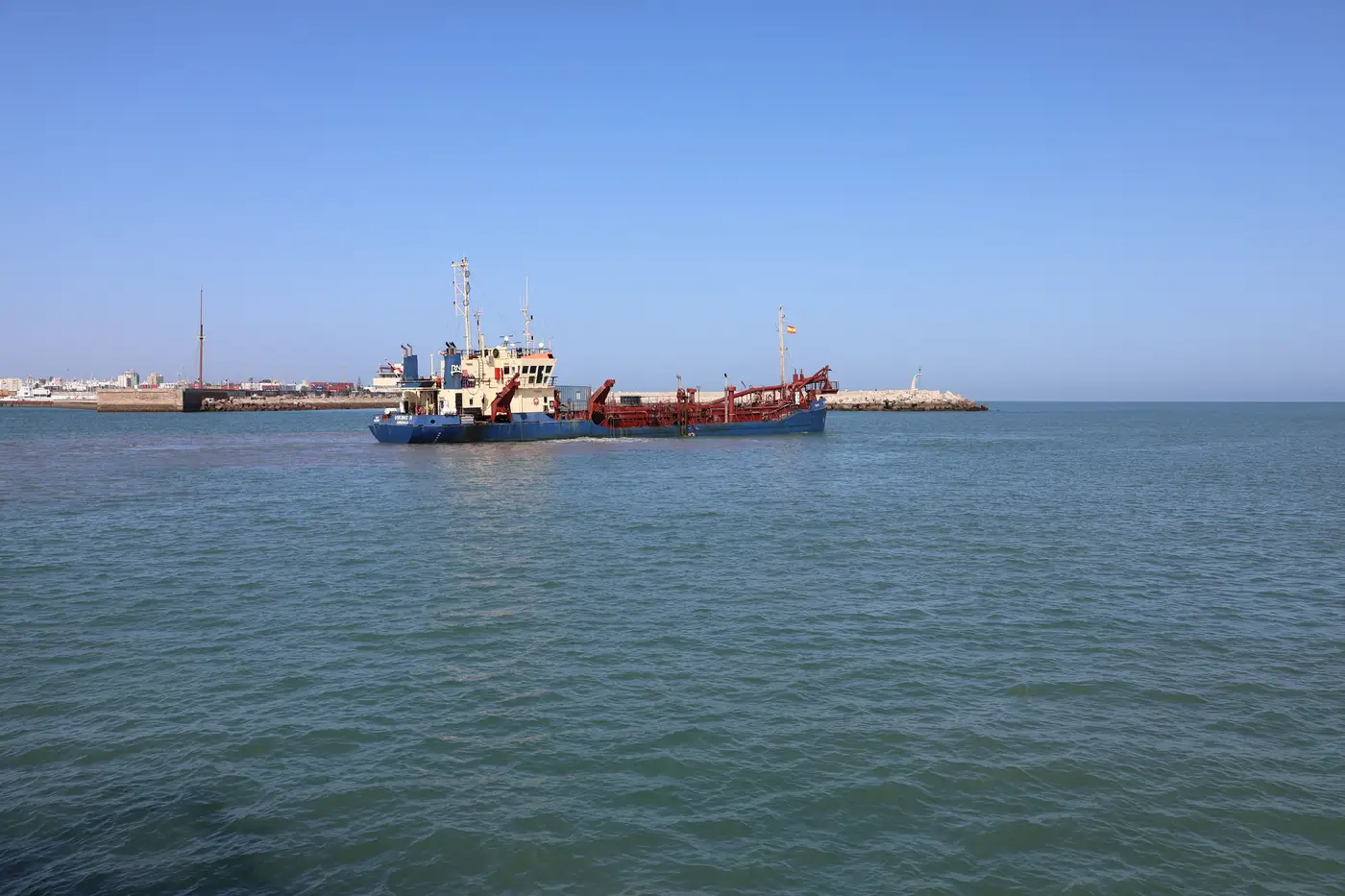
There's a particular kind of satisfaction in watching a tender land exactly where you said it would, because you'd been counting backward from concrete that was already curing.
Here's the sequence, if you haven't walked a brownfield berth extension start to finish: dredging and piling first, because nobody pours anything until the seabed's been dealt with. The quay wall goes up next, or the existing one gets extended. Backfill follows, and it takes longer than anyone budgets for because settlement doesn't care about your capex committee's quarter. Paving comes last, and paving means the yard is close to usable. A yard that's close to usable is a yard that needs machines on it within a year, give or take.
Most sales teams don't see any of that. They see the RFP. Procurement issues the document, the clock starts, and everyone treats the starting gun as the beginning of the opportunity. That starting gun fires at the point where six OEMs are already in the room, the incumbent has a head start on spec familiarity, and your margin is whatever's left after the bidding gets competitive. The opportunity actually started when the paving contractor mobilized, which in the cycle we tracked most closely was eleven months before the tender went out.
Eleven months isn't a promise about every terminal. Civil works schedules slip, capex gets reapproved at a different scope, a port authority sits on a signed contract for two quarters because the board hasn't met. Eleven months is roughly what you get when backfill finishes, paving starts, and a terminal operator still has a straddle-carrier fleet that's visibly aged out before the yard's even ready to take new ones. That's sitting in a quarterly satellite pass, in the shape of fresh paving where there used to be bare backfill, next to rail foundations for gantries that haven't been delivered yet.
What struck us, going back over that one, is how little of the signal was subtle. The signal was a berth that went from dredged, to walled, to paved, over four quarterly passes, next to a straddle-carrier yard with equipment that was clearly due for replacement. No leaked procurement memo and no tip from someone's cousin at the port authority. Just four quarterly passes anyone could have pulled. Anyone looking at those two images side by side would've reached the same conclusion we did. The hard part was deciding to look in the first place, on a terminal that hadn't sent anyone a signal yet.
That's the argument for watching ahead of the RFP rather than reacting to it: civil works are slow, visible, and sequenced the same way almost everywhere, and the demand for cranes and straddle carriers follows that sequence with enough lag that you can set a calendar reminder off it. Terminal Expansion Watch exists because that lag is the whole opportunity, and quarterly imagery is frequent enough to catch the paving phase without needing someone on the ground.
The part we'd push back on, if a younger sales director asked, is the instinct to wait for a clearer signal. Crane rail foundations poured but no cranes on order yet feels early. It isn't. By the time it feels right, the RFP's already drafted and the incumbent's already had the conversation you were waiting to have. The quarter that mattered in our case came three quarters before the tender dropped, when the yard was still half bare backfill and nobody else was looking.
If there's a lesson in it, it's a boring one: watch the berth. The mailbox tells you last, after the tender's already drafted.
Worth a look at your own patch before the next paving pass tells you what you already should have known.